%2Ffit-in%2F250x250%2Fguide_websites%2F14122%2Fimages%2F1710971097084image-2024-03-21t054449.804.png&w=1200&q=100)
/users/99ba0eac-b759-4aee-9791-cb9c6fc37958/ratecard/beg-mkdk3kp6.jpg)
%2F300x300%2Fusers%2F99ba0eac-b759-4aee-9791-cb9c6fc37958%2Fratecard%2Fbeg-mkdk3kp6.jpg&w=256&q=75)
%2F300x300%2Fusers%2F99ba0eac-b759-4aee-9791-cb9c6fc37958%2Fimages%2Fstriped-bass-willis-3061.jpg&w=256&q=75)
%2F300x300%2Fusers%2F99ba0eac-b759-4aee-9791-cb9c6fc37958%2Fimages%2Fstriped-bass-fishing-willis-3134.jpg&w=256&q=75)
%2F300x300%2Fusers%2F99ba0eac-b759-4aee-9791-cb9c6fc37958%2Fimages%2Fgreat-fishing-willis-3231.jpg&w=256&q=75)
%2F300x300%2Fusers%2F99ba0eac-b759-4aee-9791-cb9c6fc37958%2Fimages%2Ftwo-white-catfish-willis-fishing-2659.jpg&w=256&q=75)
%2F300x300%2Fusers%2F99ba0eac-b759-4aee-9791-cb9c6fc37958%2Fimages%2Ffishing-fun-willis-2629.jpg&w=256&q=75)
%2F300x300%2Fusers%2F99ba0eac-b759-4aee-9791-cb9c6fc37958%2Fimages%2Ffishing-willis-location-2654.jpg&w=256&q=75)
%2F300x300%2Fusers%2F99ba0eac-b759-4aee-9791-cb9c6fc37958%2Fimages%2Fstriped-bass-fishing-tx-2651.jpg&w=256&q=75)
%2F300x300%2Fusers%2F99ba0eac-b759-4aee-9791-cb9c6fc37958%2Fimages%2Fanglers-fishing-willis-2608.jpg&w=256&q=75)
%2F300x300%2Fusers%2F99ba0eac-b759-4aee-9791-cb9c6fc37958%2Fimages%2Fanglers-catch-wiper-catfish-texas-2725.jpg&w=256&q=75)
%2F300x300%2Fusers%2F99ba0eac-b759-4aee-9791-cb9c6fc37958%2Fimages%2Fblue-catfish-tx-2692.jpg&w=256&q=75)
Beginner Catfish Bass Fishing Lake Conroe
 Lake Conroe
What you will be catching:
 Blue Catfish
 Channel Catfish
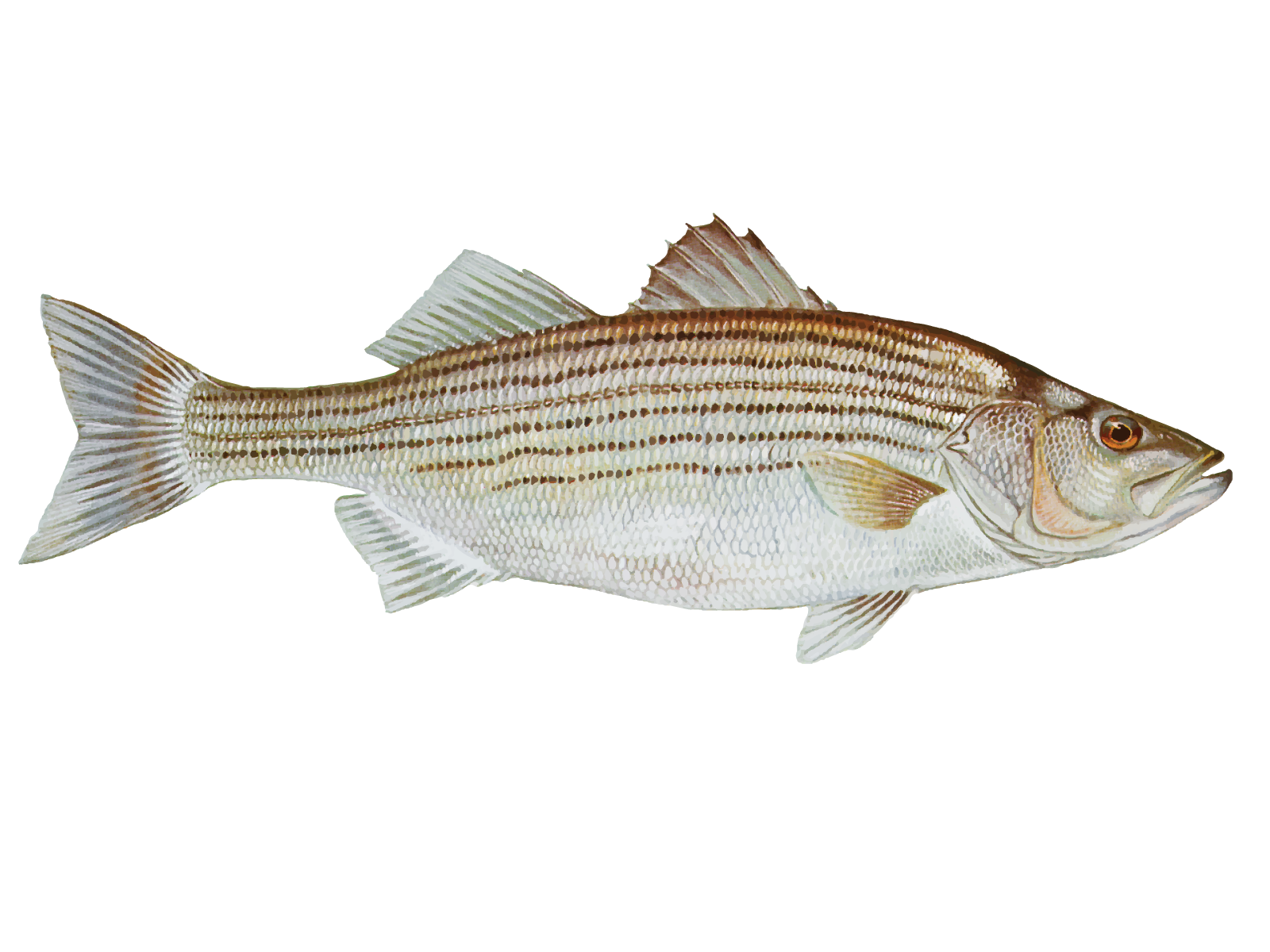 Striped Bass
 White Bass
 Yellow Bass
- Full-day 8-hour Lake Conroe fishing experience with Captain James
- Beginner-friendly instruction targeting catfish and hybrid striped bass
- All equipment and hands-on guidance provided for families
Trip Pricing and Availabilities:
Trip pricing information is temporarily unavailable.
Full Day Catfish & Hybrid Bass Trip - Lake Conroe
Lake Conroe delivers some of Texas' best freshwater fishing, and Captain James knows every productive spot on these 21,000 acres. This 8-hour adventure gives you serious time to learn the ropes while chasing hybrid striped bass, channel catfish, and whatever else is biting. Perfect for families wanting to introduce kids to fishing or friends looking to spend a quality day on the water without the pressure. You'll cover plenty of water, try different techniques, and come away understanding why Lake Conroe consistently ranks as a top-rated Texas fishing destination.
What to Expect on the Water
Captain James runs a relaxed operation that puts learning first. You'll start early to beat the heat and make the most of prime feeding times. The full day format means no rushing between spots – if the catfish are cooperating in a creek channel, you'll stay put and fill the cooler. When it's time to switch gears and chase hybrid bass around structure, Captain James explains why certain areas hold fish and how seasonal patterns affect their behavior. Lake Conroe's clear water and varied structure create ideal conditions for multiple species, so you're rarely stuck targeting just one type of fish. The boat stays comfortable with plenty of shade, and there's always something happening whether you're working the deeper channels near the dam or casting along shallow flats.
Techniques & Tackle
This trip covers the full spectrum of Lake Conroe fishing methods. For hybrid striped bass, you'll learn trolling techniques around humps and creek channels, plus casting to surface schools when they're actively feeding. Catfish require a different approach entirely – bottom fishing with fresh bait in deeper holes and along structure where these fish congregate. Captain James provides all tackle and adjusts techniques based on conditions and what's working best. Live bait, cut bait, and artificial lures all have their place depending on the target species and time of day. The beauty of an 8-hour trip is having time to master each technique instead of just getting a quick taste. You'll understand how to read electronics, recognize productive water, and develop the patience that separates successful anglers from weekend warriors.
Species You'll Want to Hook
Striped Bass pack serious punch and make Lake Conroe famous among Texas anglers. These silver missiles average 3-8 pounds but can push into the teens, providing drag-screaming runs that test your skills. Spring and fall offer peak action when schools push baitfish to the surface, creating visual feeding frenzies. They're most active during cooler parts of the day and respond well to both live shad and artificial lures worked around submerged timber.
Channel Catfish represent Lake Conroe's most reliable action, biting year-round with peak activity during warmer months. These whiskered fighters range from pan-sized eating fish to 10-pound slabs that know how to use their weight. They concentrate around deeper structure, creek channels, and areas with current flow. Night crawlers, chicken liver, and cut bait produce consistently, making them perfect for beginners learning to feel subtle bites.
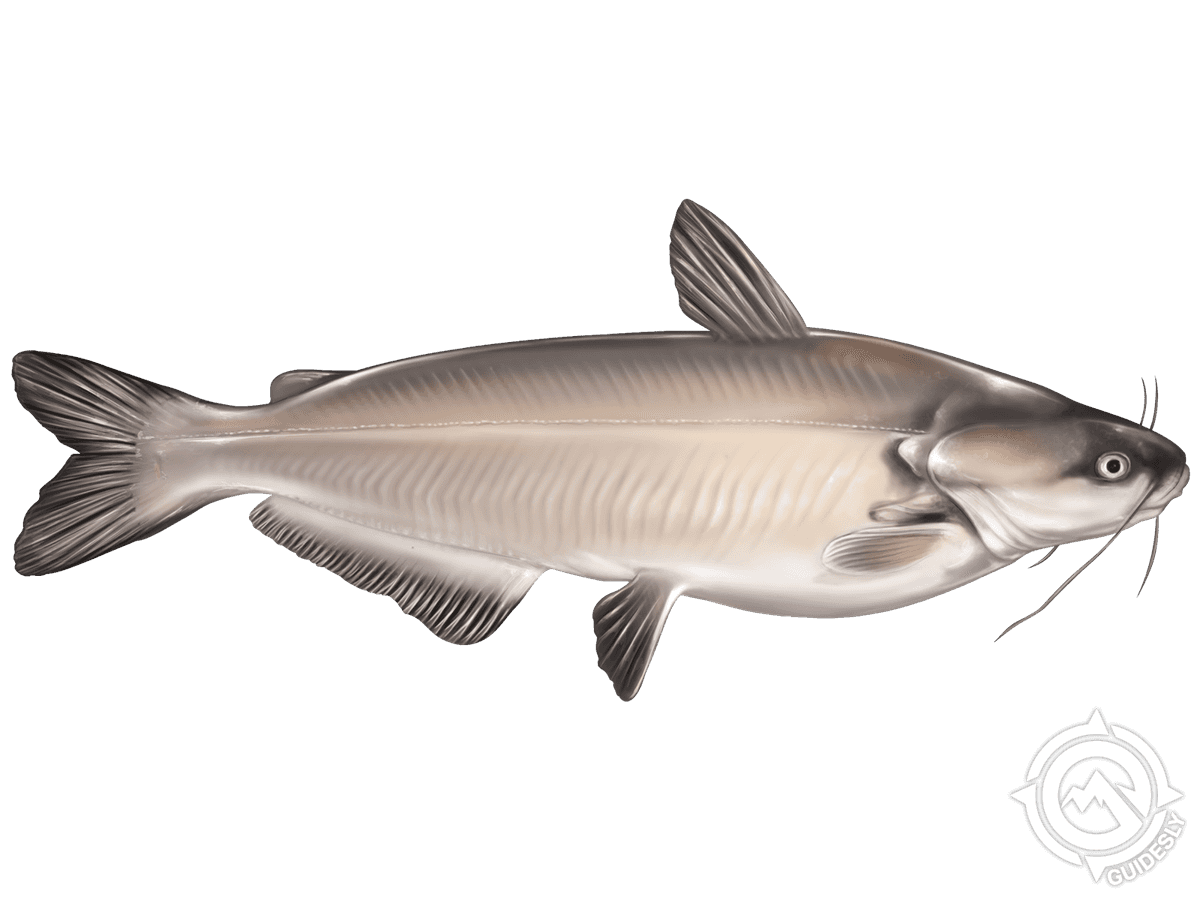
Blue Catfish grow larger than their channel cousins and provide the trip's potential trophy catches. Lake Conroe blues regularly exceed 20 pounds, with genuine giants lurking in the deepest holes. They prefer bigger baits and stronger tackle, often hitting when you least expect it. Summer months see increased activity as these fish move shallow to feed, creating opportunities for memorable battles.
White Bass school heavily during spring spawning runs, creating some of Lake Conroe's most fast-paced action. These smaller cousins of striped bass compensate for size with sheer numbers – when you find a school, every cast can produce a fish. They're excellent for kids and beginning anglers since they bite aggressively and fight hard relative to their 1-2 pound average size.
Yellow Bass round out the catch with their distinctive golden coloration and willingness to bite various baits. These underrated fighters prefer deeper water during summer but move shallow during cooler months. They often mix with white bass schools, adding variety to your catch and providing consistent action when larger species prove finicky.
Time to Book Your Spot
Lake Conroe's reputation as a world-class fishery means Captain James stays busy with repeat customers and referrals. This full-day format gives you the best value and learning experience, whether you're a complete beginner or someone wanting to improve their freshwater skills. The relaxed pace, expert instruction, and variety of target species create the perfect combination for a memorable day. With only 2 guest capacity, you'll receive personalized attention and have plenty of room to cast without crowding. Book your Lake Conroe fishing adventure and discover why this customer favorite trip keeps anglers coming back season after season.
Learn more about the species
Blue Catfish
Blues are the giants of the catfish world and the fish of a lifetime for many anglers. These bruisers average 25-46 inches and can easily hit 50+ pounds - the current record is over 80 pounds. They're opportunistic feeders that'll crush everything from cut bait to live fish, making them exciting but unpredictable. You'll find them in deeper holes and channels, often 20-40 feet down near muddy bottoms. They bite best during warmer months when they're actively hunting. What draws people back is the sheer size and power - a big blue will test every piece of your tackle. They're also excellent eating despite their intimidating appearance. My advice: use fresh cut herring or shad, fish it on bottom, and be patient. When a blue decides to bite, you'll know it - they don't nibble, they commit.
Channel Catfish
Channel cats are the perfect family fish - they bite consistently, fight hard for their size, and taste great on the dinner table. Most run 2-8 pounds, though 10-pounders aren't rare and some giants push 20+ pounds. These bottom-dwellers love structure like fallen trees, rock piles, and creek channels, usually in 8-20 feet of water. They bite year-round but really turn on during warmer months when they're more active. What makes them special is their willingness to bite and that satisfying bend-the-rod fight they put up. Kids especially love the steady action. The key to success is fresh bait - cut shad, chicken liver, or prepared stink baits work great. Here's my go-to trick: let your bait sit still on bottom and wait for that telltale thump-thump before setting the hook.
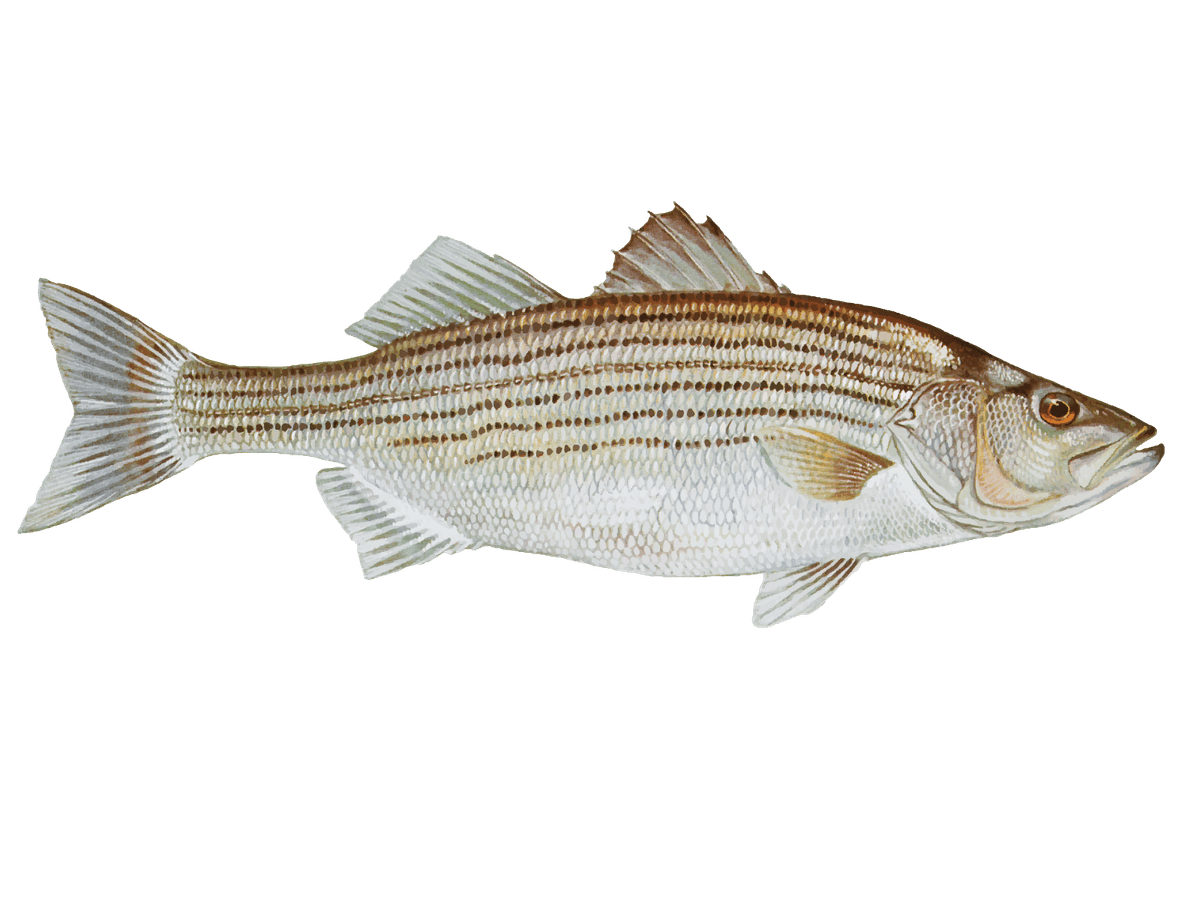
Striped Bass
Striped bass are the heavy hitters here, typically running 20-40 pounds with those classic dark stripes down their silver sides. These fish love structure - you'll find them around drop-offs, points, and deeper channels, especially in 15-30 feet of water. They're most active during cooler months and low-light periods like dawn and dusk. What gets folks fired up is their powerful runs and headshaking fights that'll test your drag system. Plus, they're fantastic table fare with sweet, flaky meat. The hybrids we catch here are crosses between striped and white bass, giving you that striper attitude in a more manageable package. Pro tip: when you see birds working the surface, get there fast - stripers push baitfish up and create some of the best action you'll see.
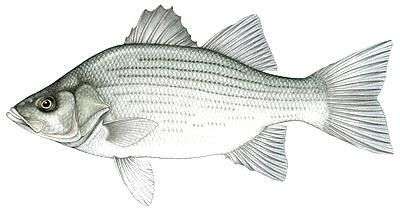
White Bass
White bass are scrappy fighters that run 10-12 inches and usually weigh a few pounds, though some push 18 inches. You'll spot them by those distinctive dark stripes running along their silvery sides. They're schooling fish that love open water and tend to suspend mid-depth, especially around points and drop-offs. Spring and fall are your best bets when they're actively feeding near the surface - watch for birds diving on baitfish. What makes them popular is their aggressive nature once you find a school, plus they're excellent eating with firm, white meat. Here's a local tip: when you hook one, don't move the boat. Keep working that same spot because where there's one white bass, there's usually a dozen more ready to bite.
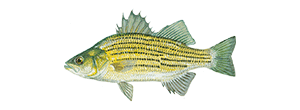
Yellow Bass
Yellow bass are small but mighty fighters that pack a lot of attitude into a 4-12 ounce package. These schooling fish have beautiful yellow sides with dark stripes and rarely exceed a pound, though the occasional 2-pounder shows up. They prefer shallow water around 2-3 feet deep near rocky shores and structure like points and drop-offs. Spring and summer offer the best action when they're feeding aggressively in schools. What makes them fun is their scrappy nature - they fight way above their weight class and when you find a school, the action stays hot. They're also great for kids and beginners since they bite readily. My secret: use light tackle with small jigs or minnows, and when you hook one, work the area thoroughly. Yellow bass travel in groups, so one bite usually means several more fish are nearby waiting to play.
About the Center Console Boats
%2F%2Fusers%2F99ba0eac-b759-4aee-9791-cb9c6fc37958%2Fvehicle_picture%2F20250623_062014.jpg&w=1200&q=75)
Vehicle Guest Capacity: 5
Manufacturer Name: Suzuki
Maximum Cruising Speed: 39
Number of Engines: 1
Horsepower per Engine: 200