%2Ffit-in%2F250x250%2Fguide_websites%2F14122%2Fimages%2F1710971097084image-2024-03-21t054449.804.png&w=1200&q=100)
/users/99ba0eac-b759-4aee-9791-cb9c6fc37958/ratecard/615274451_122285267990022350_3435473730358089661_n-mkdk1dnc.jpg)
%2F300x300%2Fusers%2F99ba0eac-b759-4aee-9791-cb9c6fc37958%2Fratecard%2F615274451_122285267990022350_3435473730358089661_n-mkdk1dnc.jpg&w=256&q=75)
%2F300x300%2Fusers%2F99ba0eac-b759-4aee-9791-cb9c6fc37958%2Fimages%2Ftwo-white-catfish-willis-fishing-2659.jpg&w=256&q=75)
%2F300x300%2Fusers%2F99ba0eac-b759-4aee-9791-cb9c6fc37958%2Fimages%2Ffishing-fun-willis-2629.jpg&w=256&q=75)
%2F300x300%2Fusers%2F99ba0eac-b759-4aee-9791-cb9c6fc37958%2Fimages%2Ffishing-willis-location-2654.jpg&w=256&q=75)
%2F300x300%2Fusers%2F99ba0eac-b759-4aee-9791-cb9c6fc37958%2Fimages%2Fstriped-bass-fishing-tx-2651.jpg&w=256&q=75)
%2F300x300%2Fusers%2F99ba0eac-b759-4aee-9791-cb9c6fc37958%2Fimages%2Fanglers-fishing-willis-2608.jpg&w=256&q=75)
%2F300x300%2Fusers%2F99ba0eac-b759-4aee-9791-cb9c6fc37958%2Fimages%2Fanglers-catch-wiper-catfish-texas-2725.jpg&w=256&q=75)
%2F300x300%2Fusers%2F99ba0eac-b759-4aee-9791-cb9c6fc37958%2Fimages%2Fblue-catfish-tx-2692.jpg&w=256&q=75)
%2F300x300%2Fusers%2F99ba0eac-b759-4aee-9791-cb9c6fc37958%2Fimages%2Fgreat-wiper-bass-tx-2637.jpg&w=256&q=75)
%2F300x300%2Fusers%2F99ba0eac-b759-4aee-9791-cb9c6fc37958%2Fimages%2Fanglers-land-great-haul-2568.jpg&w=256&q=75)
%2F300x300%2Fusers%2F99ba0eac-b759-4aee-9791-cb9c6fc37958%2Fimages%2Fwiper-fish-caught-tx-2635.jpg&w=256&q=75)
Advanced Catfish Bass Lake Conroe Fish Head
 Lake Conroe
What you will be catching:
 Blue Catfish
 Channel Catfish
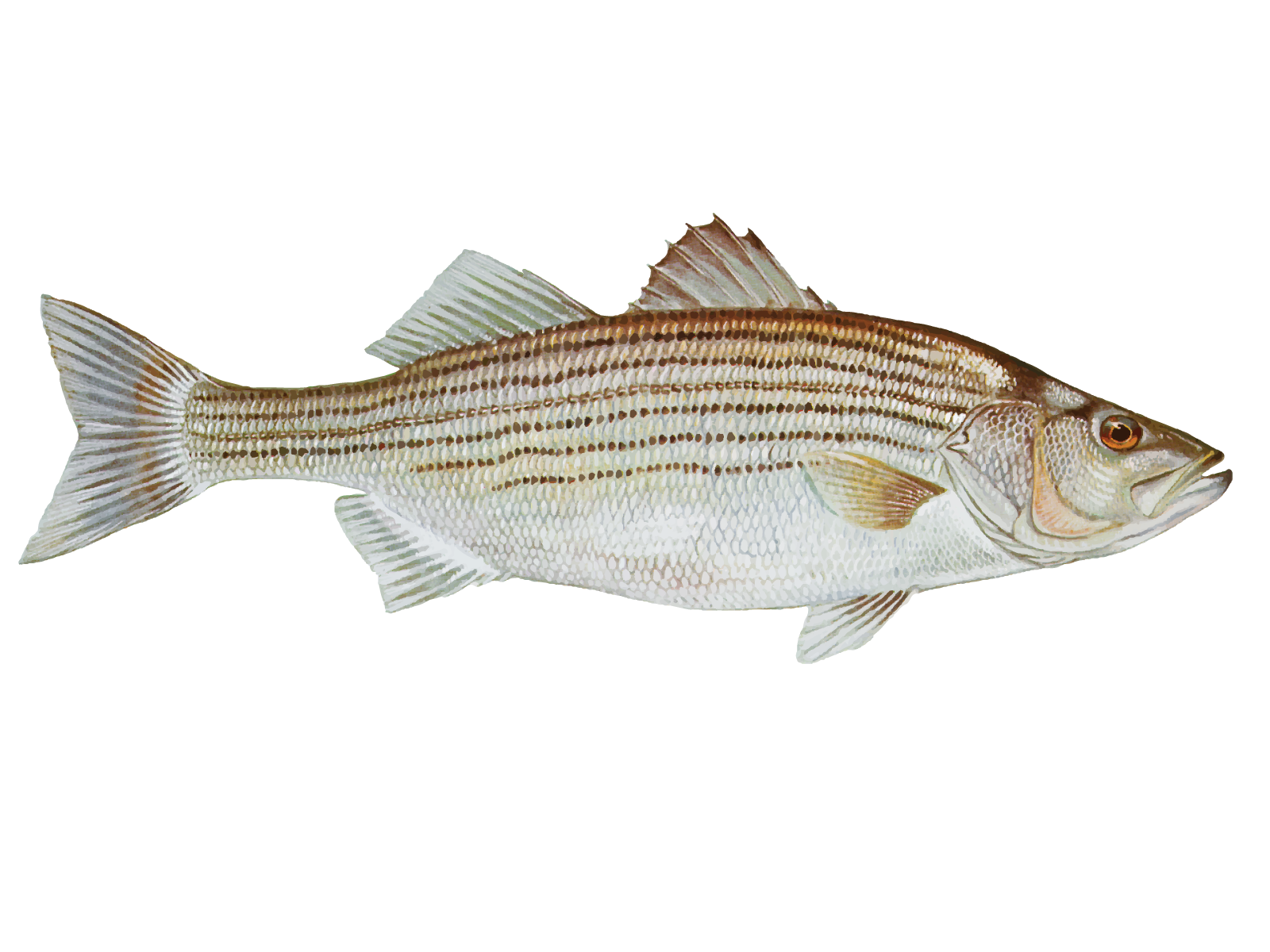 Striped Bass
 White Bass
 Yellow Bass
- 8-hour advanced trip targeting hybrid bass and trophy catfish
- Expert local techniques and efficient setups maximize fishing time
- Experienced guide teaches proven seasonal patterns on Lake Conroe
Trip Pricing and Availabilities:
Trip pricing information is temporarily unavailable.
Full Day Advanced Catfish and Bass Fishing Trip
When you're ready to step up your game and fish Lake Conroe like the locals do, Captain James has got you covered. This isn't your typical half-day tourist trip – we're talking eight solid hours of serious fishing with a guide who knows every drop-off, creek mouth, and honey hole on this 21,000-acre lake. You'll be targeting the lake's top predators using techniques that separate the weekend warriors from the real deal. With just two spots on the boat, you get personalized attention and plenty of elbow room to work your rods without bumping into a crowd.
What to Expect on the Water
This trip is built for anglers who already know their way around a rod and reel but want to unlock Lake Conroe's secrets. Captain James keeps the boat moving, hitting multiple spots based on current conditions, water temperature, and seasonal patterns. You'll cover everything from deep timber structures where the big blues hang out to shallow flats where stripers ambush schools of shad. The captain brings all the tackle you need, but feel free to bring your favorite rods if you've got them. We're talking serious gear here – heavy action rods for wrestling big cats out of cover, and medium setups for working the bass bite when it's hot. Expect to learn new techniques, whether it's reading your electronics better or understanding how Lake Conroe's unique structure affects fish behavior throughout the day.
Techniques and Tactics
Lake Conroe fishing is all about adapting to what the fish are doing right now, and that's where Captain James really shines. For the catfish bite, you'll be working everything from cut bait on Carolina rigs around deep timber to live shad under the dam when the current's moving. The bass fishing here requires a different mindset – these aren't your typical largemouth, so you'll be using techniques that work specifically for white bass schools and hybrid stripers. That might mean vertical jigging over submerged roadbeds, trolling umbrella rigs along the old creek channels, or casting topwater when the fish are busting bait on the surface. The key is staying mobile and reading the water. Captain James uses top-quality fish finders and knows how to interpret what's showing up on screen, whether it's baitfish, structure, or the fish themselves. You'll pick up skills that translate to fishing anywhere, but with local knowledge that only comes from years of working this specific lake system.
Species You'll Want to Hook
White bass are the bread and butter of Lake Conroe's fishery, and when you find them, you've hit the jackpot. These aggressive fighters travel in schools and absolutely hammer anything that looks like a wounded shad. They're most active during spring and fall, but summer mornings can produce some epic topwater action when they push baitfish to the surface. What makes them so fun is their willingness to bite – once you dial in the pattern, you can catch them until your arms get tired. They average 1-2 pounds but fight way above their weight class.
Striped bass and hybrid stripers are the lake's premier gamefish, and landing one is always a highlight of any trip. These powerful fish can push 10+ pounds and will test your drag system when they make their runs. They're structure-oriented, hanging around the old creek channels and roadbeds that were flooded when the lake was formed. Summer finds them in deeper, cooler water, while spring and fall see them moving shallow to feed. The hybrids especially are known for their aggressive strikes and acrobatic fights – they'll jump and run like a fish twice their size.
Channel catfish are Lake Conroe's most consistent biters, available year-round and always willing to play. They range from eating-size fish around 2-3 pounds up to genuine trophies pushing 15+ pounds. What's great about channels is their predictability – they respond well to traditional catfish baits and techniques, making them perfect for when the bass bite slows down. They're also excellent table fare, so you can take home a mess of fillets if you're looking to stock the freezer.
Blue catfish represent the ultimate trophy opportunity on Lake Conroe. These monsters can exceed 30 pounds and provide some of the most challenging fights you'll experience in freshwater. Blues prefer deeper water and bigger baits, and they're notorious for their powerful, sustained runs. Landing a big blue is something you'll be talking about for years. They're less common than channels but when you hook up, you know it immediately. The bigger specimens are almost always catch-and-release fish, but smaller blues in the 5-10 pound range make excellent eating.
Yellow bass might be the smallest species on the list, but they're incredibly fun on light tackle and often save the day when other fish aren't cooperating. They school up similar to white bass but stay smaller, rarely exceeding a pound. What they lack in size, they make up for in numbers and attitude. When you find a school of yellows, you can catch dozens in a short time. They're also great for introducing newer anglers to the sport or for keeping kids engaged when the bigger fish are being finicky.
Time to Book Your Spot
This full-day advanced trip gives you the time and expertise to really get after Lake Conroe's best fishing opportunities. Eight hours on the water with a captain who lives and breathes this lake means you're getting maximum value for your fishing dollar. Whether you're looking to improve your technique, target a specific species, or just enjoy a full day of quality fishing without the crowds, this trip delivers. The two-person limit ensures you get personalized instruction and plenty of fishing time. Captain James provides all the tackle and local knowledge – you just need to bring your fishing license, some snacks and drinks for the day, and the willingness to learn. Lake Conroe's year-round fishery means there's never a bad time to book, but spring and fall typically offer the most consistent action across all species. Don't wait too long to secure your dates –