%2Ffit-in%2F250x250%2Fguide_websites%2F14122%2Fimages%2F1710971097084image-2024-03-21t054449.804.png&w=1200&q=100)
Fishing Guide Trip Lake Conroe Willis TX
Fishing Experience on Lake Conroe - What to Expect
%2F%2Fusers%2F99ba0eac-b759-4aee-9791-cb9c6fc37958%2Fimages%2Fwillis-tx-fishing-catch-boat-2642.jpg&w=1200&q=75)
Guide Trip by Guide James Macik in April
Meet your Guide James Macik
- Fish With The Best Lake Conroe Fishing Guides


Summary
Experience a guide trip on Lake Conroe in Willis, TX this Saturday, April with expert angler James Macik. This fishing adventure showcases productive waters and local knowledge of what makes the lake a rewarding destination for both technique and results.
Fishing Guide Trip with James Macik - Rates & Booking
Guide James Macik of Fish Head Water Sports leads fishing trips on Lake Conroe in Willis, TX on a Saturday in April. When you book a guide trip with this operation, you're working with someone who understands the local water patterns, seasonal movements, and productive fishing zones that define Lake Conroe fishing.
To book your guide trip and learn about current rates, group sizes, and what's included in your package, contact Fish Head Water Sports directly. The team can discuss your skill level, target species, and preferred techniques to customize your experience on the water.
Highlights of Your Lake Conroe Fishing Adventure
Lake Conroe is a productive freshwater lake in Southeast Texas known for consistent fish populations and accessible structure. A guide trip puts you in position to understand how to read the water, identify feeding zones, and adapt your approach based on season and conditions. You'll benefit from local expertise that recognizes where fish congregate and what presentations work best throughout the year.
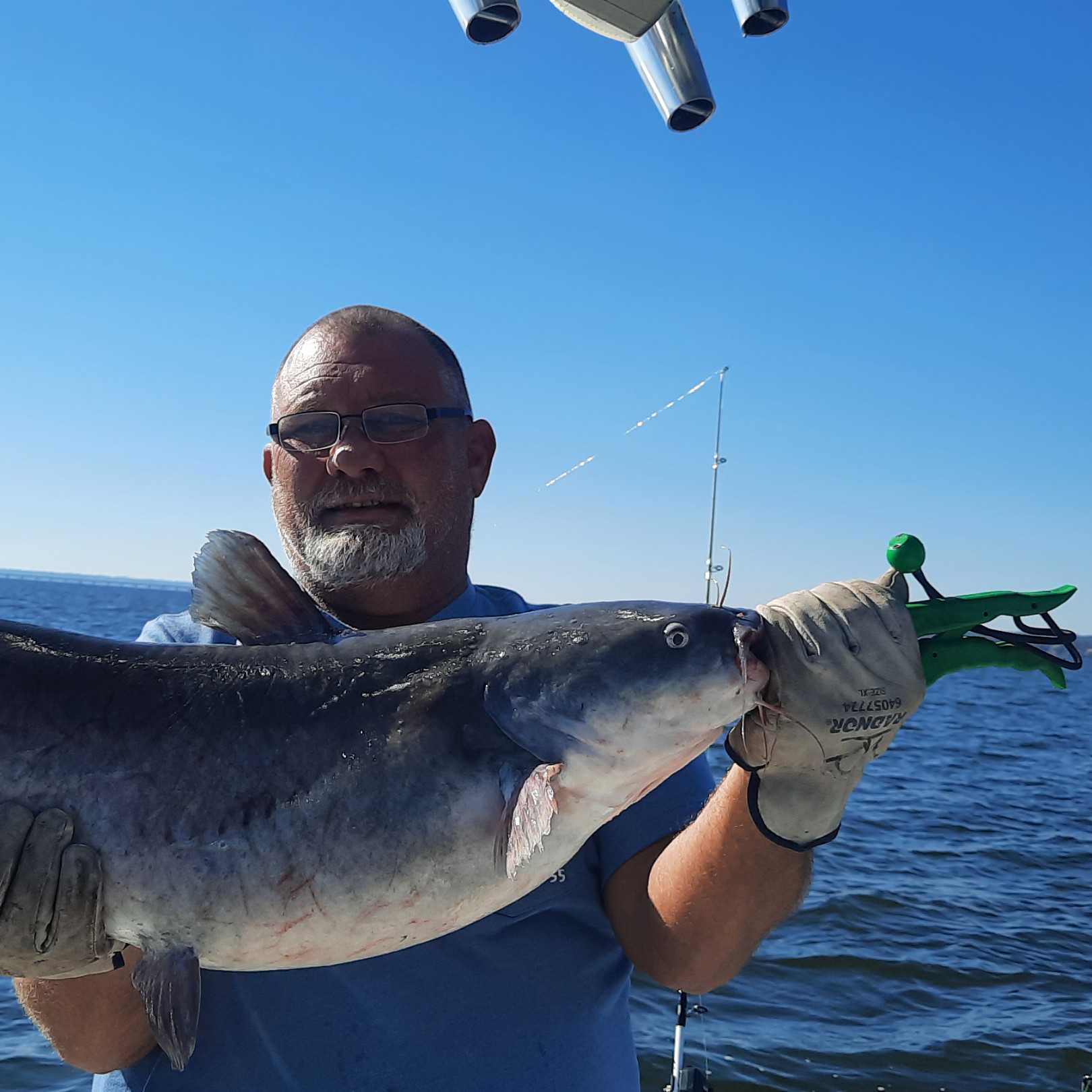
The visual of a strong catch displayed on the boat deck reflects what's possible when you combine proper technique with knowledge of the lake's ecosystem. Guide trips emphasize teaching, so you leave understanding not just where fish are, but why they're there and how to locate them on your own.
Local Fishing Insights for Lake Conroe
Lake Conroe spans over 21,000 acres and supports a variety of fish species that respond to seasonal patterns and environmental conditions. Understanding the water column, thermocline changes, and how structure affects fish behavior is central to successful fishing here. Spring fishing often involves transition periods where fish move from deep winter patterns toward shallower spawning grounds, making this an excellent time to learn how guides adapt their strategies.
The lake's combination of natural shoreline, man-made structure, and varying depths creates multiple fishing opportunities. Guides know which zones produce consistent results and how to approach different areas based on time of day, weather, and season. When you're on a guide trip, you're observing these decisions in real time and learning the reasoning behind them.
Fish behavior changes based on water temperature, light penetration, and food availability. Guides watch for signs like surface activity, bait movements, and bird activity to locate productive areas. They adjust presentation, depth, and location throughout the day based on what the fish are communicating. This adaptive approach is what transforms a fishing outing into a learning opportunity.
Your guide will likely emphasize reading conditions and making decisions based on environmental cues rather than relying solely on one technique. This practical knowledge is what experienced anglers develop over years on the water. A guide trip accelerates that learning curve by showing you what to look for and how to interpret what you observe.